
A roof replacement is a major home improvement project, and for many homeowners, the biggest worry isn’t just the cost—it’s the disruption. The banging of hammers, the crew in the driveway, and the fear of your home being exposed to the elements can make the process feel daunting. Naturally, the first question on everyone’s mind is: How long is this actually going to take?
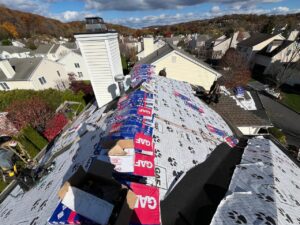
The short answer is that for an average single-family home with asphalt shingles, the actual labor typically takes one to three days. However, the full timeline—from your first phone call to the final cleanup—is a longer journey involving inspections, material delivery, and scheduling.
Understanding the timeline is crucial for planning your life around the project. Whether you are dealing with a sudden leak or planning a long-overdue upgrade, knowing what to expect can reduce stress and help you prepare. In this guide, we will break down the roof replacement schedule by material, explore the hidden factors that can extend the job, and walk you through exactly what happens during those crucial days of construction.
Average Roof Replacement Timelines by Material
While the size of your home matters, the material you choose is the single biggest factor in how long the installation crew will be on your property. Different materials have different installation complexities, curing times, and weight requirements.
Asphalt Shingles: 1 to 3 Days
Asphalt shingles are the most popular roofing material in North America for a reason: they are durable, affordable, and relatively quick to install.
- The Process: Shingles are lightweight and easy to cut, allowing crews to work efficiently. A skilled team can often tear off an old roof and install a new asphalt system on a standard 2,000-square-foot home in a single long day, provided the weather holds up.
- The Timeline: Expect one day for smaller homes and up to three days for larger, more complex layouts.
Metal Roofing: 3 to 7 Days
Metal roofs offer incredible longevity, but they demand precision. Unlike shingles, which overlap easily, metal panels must be measured and cut to exact specifications.
- The Process: Installers must carefully align panels to prevent oil canning (a wavy appearance) and ensure watertight seams. Standing seam metal roofs, where fasteners are hidden, take longer than screw-down panels because of the detailed clip systems involved.
- The Timeline: Because of the custom cutting and careful fastening required, expect the crew to be on-site for nearly a week.
Slate and Tile: 6 Days to Several Weeks
Slate and clay tile are the heavyweights of roofing—literally. These materials are incredibly heavy and fragile during installation, requiring specialized handling.
- The Process: Before laying a single tile, the crew often needs to reinforce the roof deck to handle the extra weight. Cutting slate or tile requires specialized tools and slower, more deliberate work to avoid breakage.
- The Timeline: A standard slate install can take a week, but complex custom work on large estates can stretch into several weeks.
Wood Shakes: 3 to 6 Days
Wood shakes (typically cedar) offer a beautiful, natural aesthetic but require a labor-intensive installation process.
- The Process: Wood shakes are not uniform like asphalt shingles. Installers often have to hand-select shakes for fit and trim them on-site. They also require specific ventilation setups (battens) to allow the wood to breathe and prevent rot.
- The Timeline: The careful layering and manual adjustments typically result in a timeline of roughly one week.
Key Factors That Influence Your Project Duration
You might see your neighbor’s roof finished in a day and wonder why your estimate says three. Every home is unique, and several variables can speed up or slow down the construction clock.
Total Roof Size and Pitch
In roofing, size is measured in “squares” (one square equals 100 square feet). Naturally, a 30-square roof takes longer than a 15-square roof. However, pitch (steepness) is arguably more impactful.
- Steepness Slows Safety: If a roof is steep, crews cannot simply walk on it. They must set up toe boards, wear harnesses, and move materials slowly and carefully. A steep roof can easily double the labor time compared to a walkable, low-slope roof.
Roof Complexity
A simple gable roof (two slopes meeting at a ridge) is a roofer’s dream. But modern homes often feature:
- Valleys and Hips: Areas where roof planes intersect require careful flashing and waterproofing.
- Penetrations: Chimneys, skylights, plumbing vents, and dormers all require intricate flashing work to prevent leaks. Each obstacle slows the crew down as they cut shingles to fit around it.
Existing Layers
Building codes in many areas allow for two layers of shingles. If your home already has two layers, the tear-off process becomes significantly heavier and more labor-intensive. Removing a single layer is quick; removing multiple layers of old, brittle shingles adds hours—or even a full day—to the tear-off phase.
Decking Repairs
This is the biggest “wild card” in roofing. Once the old shingles are stripped away, the plywood decking is exposed. If the crew discovers water damage, rot, or delamination, they cannot install the new roof until the wood is replaced. This can pause the installation while new plywood is sourced and installed.
The Role of Weather in Roofing Timelines
Roofing is an outdoor sport, and Mother Nature creates the rules. Weather is the most common reason for delays, and reputable contractors will always prioritize the integrity of your home over speed.
Rain and Snow
Professional roofers will not tear off a roof if there is a significant chance of rain. Exposing your home’s interior to water damage is never worth the risk. If rain starts mid-job, the crew must stop and tarp the roof immediately. This stops progress and adds time for setup and breakdown.
Temperature Extremes
- Cold: In freezing temperatures (below 40°F), asphalt shingles can become brittle and crack during installation. Furthermore, the adhesive strips that seal the shingles need heat to activate. While winter installation is possible, it often requires hand-sealing shingles, which takes longer.
- Heat: Extreme heat can make shingles soft and scuff-prone. Crews may have to work shorter shifts (early mornings) to avoid damaging the material or suffering from heat exhaustion.
Accessibility and Landscaping Challenges
Getting materials onto the roof and debris off the roof is a logistical puzzle. If your home has easy access—a wide, paved driveway near the house—a boom truck can lift pallets of shingles directly onto the roof.
However, obstacles can cause delays:
- Limited Access: If the truck can’t get close to the house, crews must carry heavy bundles of shingles up ladders by hand. This is physically exhausting and time-consuming.
- Landscaping: Elaborate gardens, rows of bushes, or fences right up against the house make it harder to position dumpsters and catch falling debris. Crews must take extra time to tarp off and protect your landscaping, and cleanup becomes a slower, more delicate process.
The Step-by-Step Roof Replacement Process
Understanding the workflow can help you track progress once the crew arrives. Here is what a typical 2-3 day asphalt installation looks like.
Phase 1: Delivery and Setup (Days 0-1)
Before the crew arrives, materials are usually delivered. A dumpster will be placed in your driveway. On the morning of the start date, the crew arrives early to set up tarps to protect your siding, windows, and plants.
Phase 2: Tear-Off and Inspection (Day 1)
This is the loudest and messy part of the job. The crew removes the old materials. Once the deck is bare, they inspect it for rot. If the wood is solid, they begin installing the “drip edge” (metal edging) and underlayment (the waterproof barrier). By the end of Day 1, your roof should be dried-in (waterproofed with underlayment), even if shingles aren’t on yet.
Phase 3: Shingling and Flashing (Day 1-2)
The crew installs the new shingles, working from the bottom up. Simultaneously, specialized team members will handle the flashing around chimneys and valleys. This is where the roof starts to look finished.
Phase 4: Ventilation and Cleanup (Day 2-3)
Ridge vents or other ventilation systems are installed at the peak. Finally, the crew conducts a massive cleanup. They will blow out gutters and use large magnets to sweep the lawn and driveway for stray nails.
Hidden Issues That Cause Delays
Even with a perfect schedule, unforeseen issues can arise. The most common surprise is structural damage.
If a roof has been leaking for years unnoticed, the rafters or trusses beneath the plywood may be rotted. Structural repairs require carpentry skills that go beyond standard roofing. In some cases, work must stop while a general contractor or structural engineer assesses the damage.
Another hidden issue is attic ventilation. If your contractor realizes during the tear-off that your current intake vents are blocked by insulation, they may need to install baffles or cut new soffit vents to ensure your new roof warranty is valid. This ensures your roof breathes properly, but it does add time to the clock.
Historic Landmark Considerations
For homeowners in historic districts—common in parts of New York and New England—timelines look very different. If your home is a designated landmark, you cannot simply swap slate for asphalt.
- Permitting: Getting approval from a historical preservation board can take weeks or months before work begins.
- Sourcing: You may be required to match the original material exactly. Sourcing specific slate or custom-milled wood shakes can lead to long lead times.
- Craftsmanship: Restoration work on historic homes requires a delicate touch to preserve the structural integrity of antique framing.
If you own a historic home, always pad your timeline expectations significantly.
How to Plan for Your Replacement
To make the process as smooth as possible, preparation is key.
- Secure Your Pets: The noise of a roof replacement can be terrifying for dogs and cats. Consider having them stay with a friend or at a daycare for the 1-2 days of heavy construction.
- Move Your Cars: Park your vehicles on the street before the crew arrives. You don’t want to be trapped in your garage by a dumpster or risk a stray nail popping a tire.
- Protect the Attic: Dust and small debris will fall into your attic during the tear-off. Cover any heirlooms or storage boxes with old sheets or plastic.
Don’t Let the Timeline Scare You
A roof replacement is a construction zone, but it is a temporary one. The few days of noise and activity result in decades of protection for your home and family. When you work with professional contractors who communicate clearly, the timeline becomes a manageable checklist rather than a source of anxiety.
The key to a fast, efficient, and high-quality roof replacement is hiring a team that knows the local architecture and weather patterns. You need a partner who values your time as much as they value their craftsmanship.
Ready to upgrade your home?
If you are looking for a reliable team to handle your roofing needs in Long Island or Westchester, American Star Contractor Corp is here to help. We are experts in roofing, siding, and renovation projects, consistently rated as one of the best construction companies in New York.
We understand that your time is valuable. Our professionals work efficiently to ensure your roof is replaced quickly without sacrificing quality. Whether you need a simple repair or a full replacement, we provide accurate, free quotes and prioritize your queries.
Don’t wait for a leak to dictate your schedule. Contact us today to transform your home.