Cracked Vinyl? Here’s How to Replace Siding Like a Pro

Cracked Vinyl? Here’s How to Replace Siding Like a Pro

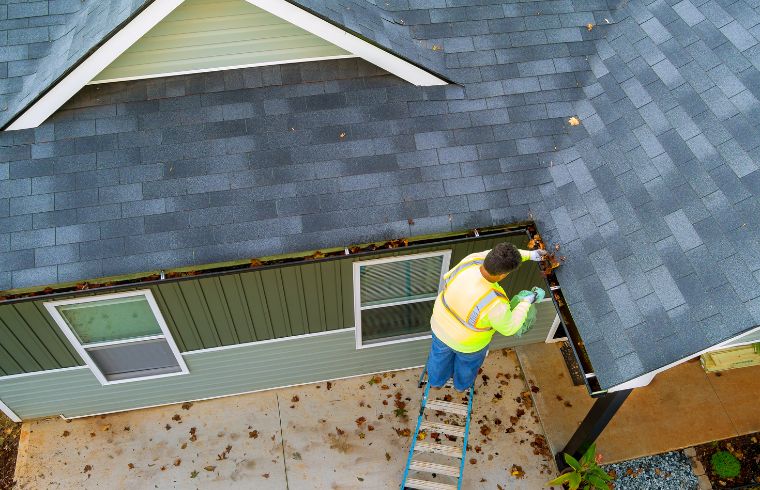
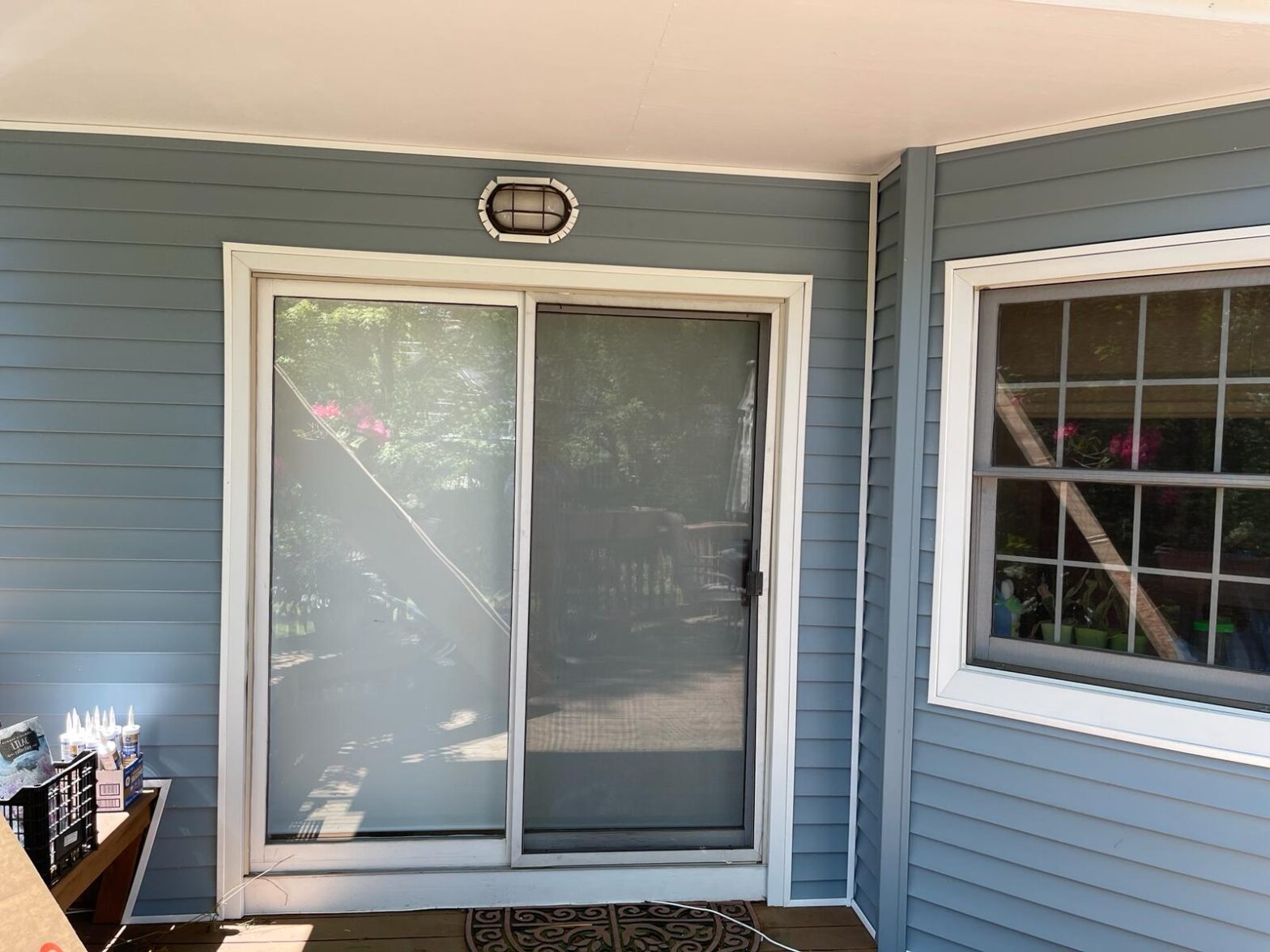
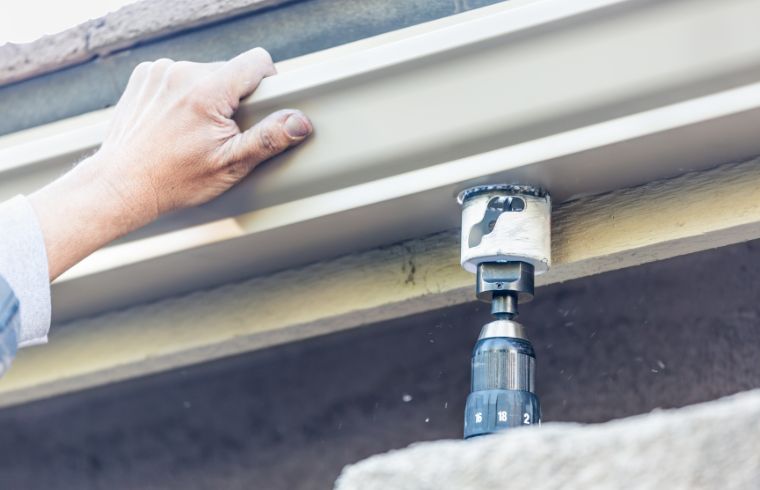
Your home’s exterior is its first line of defense against the elements. It shields your family from wind, rain, snow, and the scorching summer sun. Beyond its protective duties, siding defines the aesthetic character of your house. It is the first thing neighbors see and a major factor in your property’s curb appeal. When that exterior shell starts to look tattered—whether from storm damage, an errant baseball, or simply the passage of time—it does more than just lower your home’s value. It compromises the structural integrity of the walls beneath. For many homeowners, the thought of siding repair conjures images of expensive contractors and weeks of construction noise. However, vinyl siding is uniquely designed to be modular. It is lightweight, durable, and, surprisingly, user-friendly for those willing to learn the technique. While a full home renovation is a massive undertaking, replacing a few damaged panels is a manageable project that can be completed in an afternoon. Ignoring damaged siding is rarely a good strategy. What starts as a small crack can allow moisture to seep into your insulation and framing, leading to mold, rot, and expensive structural repairs down the road. By addressing these issues promptly, you maintain your home’s energy efficiency and keep it looking pristine. Whether you are dealing with a single piece of storm-damaged vinyl or considering a larger overhaul, understanding the mechanics of your siding is the first step toward a solution. Signs It’s Time to Replace Your Siding Vinyl siding is celebrated for its longevity. When installed correctly and maintained well, you can expect a lifespan of 30 to 40 years. However, “long-lasting” does not mean “indestructible.” Weather patterns, UV exposure, and physical impact can shorten this timeline significantly. Knowing what to look for can save you from discovering a major problem when it is already too late. Cracked, Warped, or Buckled Panels Physical damage is the most obvious sign. Cracks often occur after heavy impact, such as hail or debris hitting the house during a storm. In colder climates, older vinyl can become brittle and crack simply from freezing and thawing cycles. Warping or buckling, on the other hand, usually points to heat damage or improper installation. If the siding was nailed too tightly, it cannot expand and contract with temperature changes, leading to a wavy, buckled appearance. Holes and Punctures Small holes might seem insignificant, but they are open doors for moisture and pests. Insects like termites and carpenter ants look for these entry points to nest inside your walls. Even a small hole can let in enough rain to dampen your insulation, rendering it ineffective and promoting mold growth. Soft or Rotten Underlayment While vinyl itself does not rot, the wood underneath it certainly can. If you press on a section of siding and it feels soft or spongy, the substrate beneath the vinyl has likely absorbed water and begun to decay. This is a critical issue that requires immediate attention, as the rot can spread to the structural framing of the house. Loose or Falling Siding If a panel is flapping in the wind or has fallen off entirely, it usually indicates a failure of the fastening system. This could be due to rusted nails, rotted wood that can no longer hold a nail, or wind speeds that exceeded the siding’s wind load rating. Misalignment Take a step back and look at the horizontal lines of your home. If the siding appears uneven or misaligned, it may suggest that a panel has come unlocked from the one below it. While sometimes this can simply be snapped back into place, chronic misalignment often means the locking mechanism on the panel is worn out or broken. Tools and Materials Needed Before you start ripping panels off your wall, you need to gather the right equipment. The beauty of working with vinyl is that you do not need expensive power tools for a basic repair. Essential Tools Zip Tool (Vinyl Siding Removal Tool): This is non-negotiable. It is a small, inexpensive hand tool with a hooked end designed specifically to unlock the bottom lip of a vinyl panel. trying to remove siding without one usually results in damaging the panels you intended to keep. Pry Bar: You will need a flat pry bar to remove the nails holding the damaged panel in place. Hammer: A standard claw hammer is necessary for driving new nails and can assist in removing old ones. Utility Knife and Straight Edge: For cutting the vinyl to length. Tin snips are also a great alternative for cutting vinyl. Tape Measure: Accuracy is key to ensuring your new piece fits seamlessly. Level (Optional): While the existing siding usually dictates the alignment, a level can be helpful if you are replacing a larger section to ensure you aren’t drifting off-center. Safety Gear: Always wear durable work gloves to protect your hands from sharp vinyl edges and safety glasses to protect your eyes from flying debris or snapping plastic. Materials New Vinyl Paneling: Try to match the color, texture, and profile (width) of your existing siding. If your siding is old, be aware that new panels will likely be more vibrant than the faded panels on your wall. Roofing Nails: You need galvanized roofing nails with a wide head. The nails should be long enough (usually 1-1/4 inch to 2 inches) to penetrate the siding and the sheathing underneath solidly. Step-by-Step Guide to Replacing Vinyl Siding Replacing a single damaged panel is a straightforward process once you understand how the panels interlock. Vinyl siding uses a “hook and channel” system where the bottom of one panel locks into the top of the one below it. Step 1: Unlock and Remove the Damaged Panel Locate the damaged panel. You need to access the nails holding it in place, but those nails are hidden by the panel directly above the damaged one. Take your zip tool and slide the curved end under the bottom edge of the panel above the damage. Pull down and

Can You Replace a Roof in Winter?

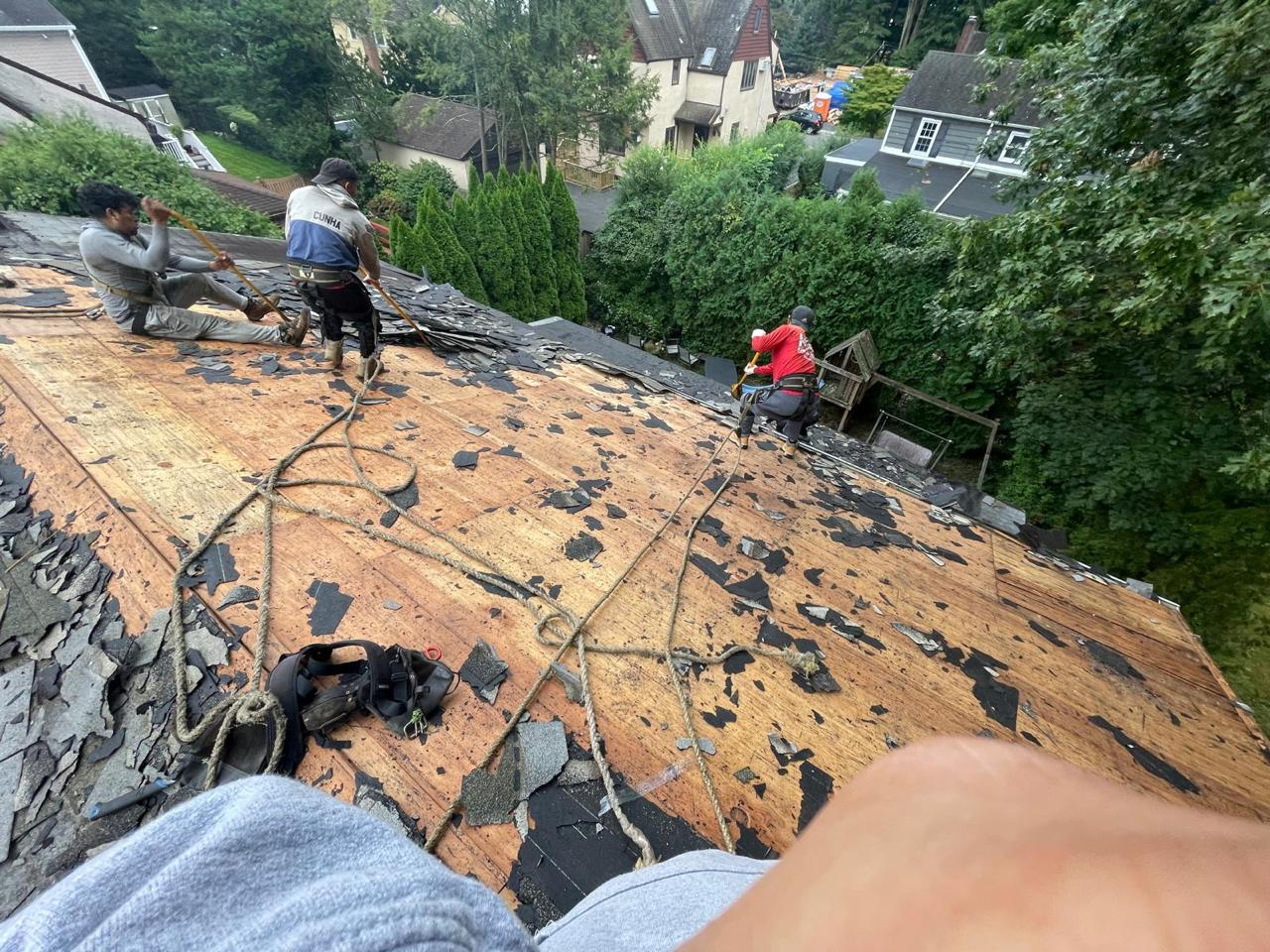
It’s the middle of January in Eastchester. The wind is howling, the snow is piling up outside, and you’re comfortably warm inside—until you glance up and notice a dark, wet patch spreading across your living room ceiling. Your stomach drops. You know you need a roof replacement, but conventional wisdom tells you that roofing is strictly a summer sport. You might be asking yourself: Do I have to live with buckets in my living room until spring? The short answer is no. While spring and summer are certainly the busiest seasons for roofing contractors, a complete roof replacement is entirely possible during the winter months. In fact, for homeowners in Westchester County, waiting until warmer weather isn’t always an option, nor is it always the best strategic choice. Whether you are dealing with catastrophic storm damage or simply trying to get ahead of a renovation schedule, winter roofing is a viable solution when handled by experienced professionals. However, replacing a roof in freezing temperatures requires a different approach than a standard summer job. It demands specialized techniques, specific materials, and a crew that knows how to navigate the challenges of a New York winter. This guide will walk you through everything you need to know about winter roof replacements—from the technical “how-to” to the surprising benefits—so you can make an informed decision for your home. Debunking Common Myths About Winter Roofing If you ask your neighbor or even do a quick Google search, you’ll find plenty of naysayers claiming you shouldn’t touch your roof between November and March. Let’s separate fact from fiction. Myth 1: Asphalt shingles won’t stick in the cold. The Truth: It is true that the self-sealing strips on asphalt shingles require heat (usually from sunlight) to activate and bond the shingles together. In 80-degree weather, this happens naturally within days. In 30-degree weather, it won’t happen on its own. However, professional roofers don’t just cross their fingers and hope for a warm spell. We manually seal each shingle using specialized roofing cement. This process, known as “hand-tabbing,” ensures your roof is wind-resistant immediately upon installation, regardless of the temperature. Myth 2: The quality of the installation is lower. The Truth: A roof installed in winter can last just as long as one installed in summer, provided the contractor follows cold-weather protocols. The durability of the roof depends on the skill of the crew and the quality of the materials, not the calendar month. Leading manufacturers like GAF have specific guidelines for cold-weather installation that, when followed, preserve the full warranty of the roof. Myth 3: You can’t use pneumatic nail guns in winter. The Truth: Cold air can affect air compressors and humidity can freeze air lines, but this is an equipment management issue, not a dealbreaker. Experienced crews use winter-grade lubricants, keep moisture traps clear, and monitor compressor pressure to ensure every nail is driven flush. The Surprising Advantages of Winter Roofing While most people view winter installation as a last resort, there are actually strategic benefits to scheduling your project during the colder months. Faster Scheduling and Turnaround During the peak summer season, the best contractors in Westchester, West Harrison, and Mamaroneck are often booked out for weeks or even months. If your roof is leaking now, you don’t have the luxury of time. In winter, demand typically slows down. This means you can often get your project on the schedule much faster, minimizing the time your home is exposed to the elements. Preventing Further Damage A small leak in December can turn into a massive structural issue by March. The freeze-thaw cycle is brutal on roofing materials. Water that seeps into cracks will freeze, expand, and widen those cracks, potentially rotting your decking and insulation. addressing the problem immediately prevents a “Wait until Spring” snowball effect that could cost thousands more in repairs. Getting Your Home Ready for Sale Spring is the prime real estate season. If you are planning to list your home in Eastchester or Mamaroneck when the market heats up, having a brand-new roof installed in winter puts you ahead of the curve. You’ll be ready to list as soon as the flowers bloom, with a major selling point already completed. Challenges and How We Overcome Them We believe in transparency. Roofing in winter is harder than roofing in summer. It presents specific challenges, but at American Star Contractor, we have developed robust protocols to mitigate every single one. Challenge: Brittle Shingles Asphalt shingles lose flexibility as the thermometer drops. Below 40°F, they can become brittle and may crack if they are bent or dropped. The Solution: We treat materials differently in winter. We never throw bundles of shingles. We store them in heated environments until the last possible moment before installation. If we need to cut shingles for valleys or ridges, we ensure they are warm enough to cut cleanly without fracturing. Challenge: Hidden Hazards Ice and frost on the roof deck make the working environment dangerous for our crew. The Solution: Safety is non-negotiable. We closely monitor weather reports and will not start a tear-off if precipitation is imminent. If we encounter morning frost or ice on the deck, we wait for it to melt or clear it completely before laying any new materials. Our crews are equipped with proper fall protection gear suited for winter conditions. Challenge: Daylight Winter days are short. In New York, we lose light early, which reduces the number of working hours in a day. The Solution: We adjust our crew size and project phasing. By deploying larger crews, we can accomplish more in a shorter window. We also focus on sealing the roof section-by-section, ensuring that even if the sun sets, your home is watertight overnight. American Star Contractor’s Winter Roofing Process When you hire American Star Contractor for a project in Westchester NY or the surrounding areas, you aren’t getting a “business as usual” approach. You are getting a tailored cold-weather strategy. 1. Intelligent Scheduling We don’t force a job.

How Long Does a Flat Roof Last

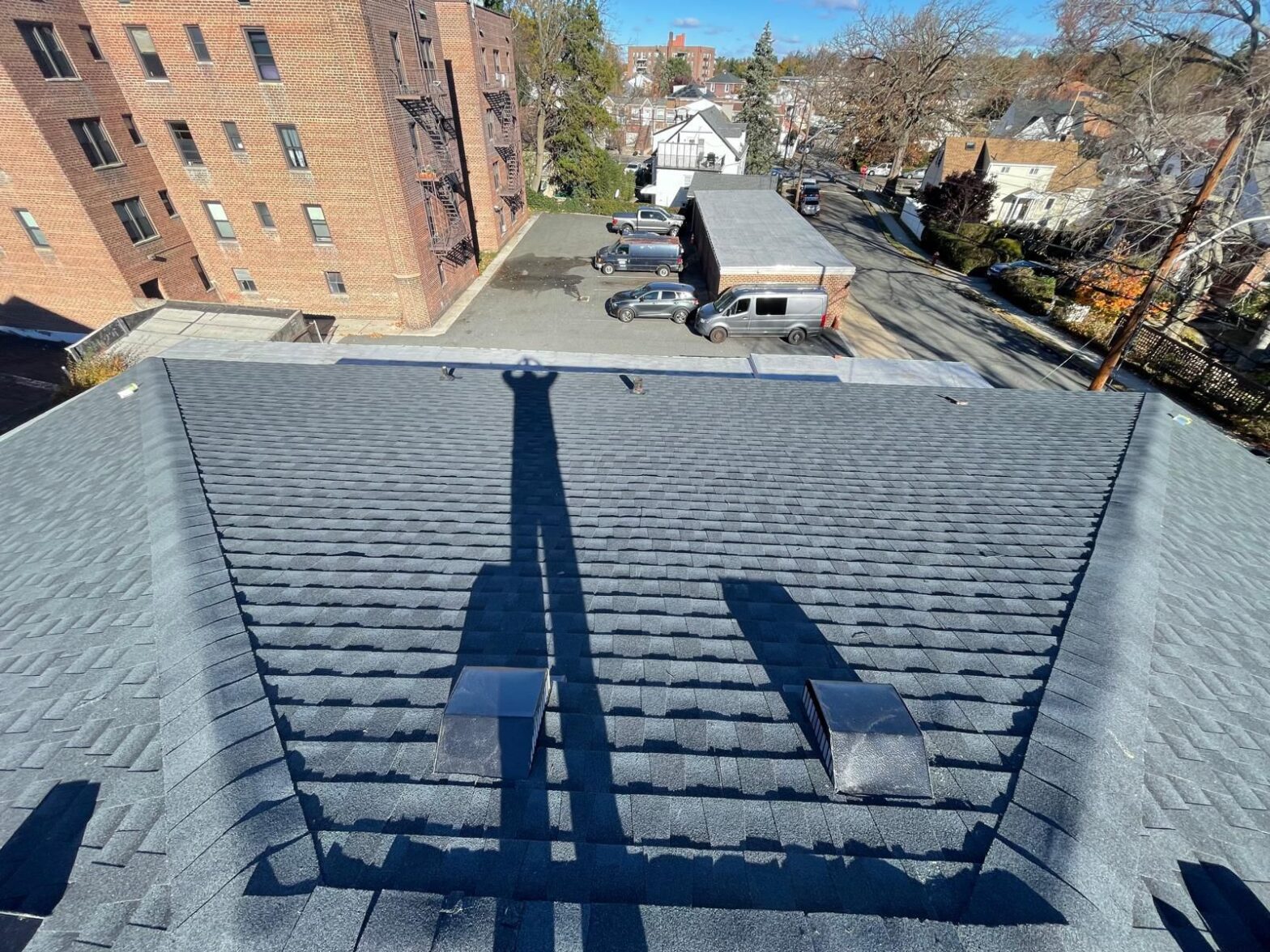
So, how long does a flat roof actually last? While the simple answer is anywhere from 10 to 30 years, that huge range depends almost entirely on the material protecting your building. The first step to knowing your roof’s future is figuring out which “family” of roofing you have, which you can often do with a quick visual check. If your roof looks like a large, seamless black rubber sheet, you likely have an EPDM roof. Think of it as a giant, durable inner tube stretched over your building. This material is a favorite for its impressive resilience against temperature swings and hail, giving it a typical rubber roof life expectancy of 20 to 30 years. Another common sight is a bright white or light gray membrane, which is usually a “plastic” roof like TPO. Prized for their energy efficiency, these roofs act like a giant reflector, bouncing sunlight away to lower cooling bills. When people ask how long does a TPO roof last, the answer is generally 15 to 25 years. While the full story on EPDM vs TPO roof durability is nuanced, TPO’s heat-welded seams offer fantastic leak protection. Finally, if your roof has a granular, sandpaper-like surface similar to asphalt shingles, it’s a Modified Bitumen roof. Built in tough, overlapping layers, this system is like a mini-roadway for your rooftop, offering exceptional puncture resistance. The average life of a modified bitumen roof is the shortest of the group, typically landing in the 10-to-20-year range, making it a common choice for projects where initial cost is a primary factor. The Two Biggest Enemies of Your Flat Roof: Sun and Standing Water While a sudden storm gets all the attention, your flat roof’s biggest enemies work every day: the sun and standing water. Think of how sunlight makes a car’s dashboard brittle and crack over time. The sun’s ultraviolet (UV) rays do the same thing to your roof. This process of UV degradation on roofing membrane slowly breaks down the material, making it fragile and prone to splitting, which creates an open invitation for leaks. Sun damage is made much worse by the second threat. If you spot puddles that are still there 48 hours after a storm, you have what roofers call ponding water—a major red flag. This constant moisture adds immense weight, magnifies the sun’s destructive rays, and gives water time to work its way into the tiniest cracks. This is a primary cause of roof ponding water damage. Ponding happens because a key feature has failed. Your “flat” roof isn’t actually level; it’s built with a slight slope to guide water toward drains. When leaves or debris clog those drains, the water has nowhere to go. This simple backup is behind many common flat roof problems, defeating the roof’s most important design feature and leading to expensive repairs. 5 Telltale Signs Your Flat Roof Needs Attention You don’t have to be a roofing expert to know when trouble is brewing. Many of the most common signs of flat roof failure are visible from a second-story window, the ground, or even from inside your building. Keeping an eye out for these visual cues is one of the best ways to catch small issues before they become expensive disasters. Here are the five most common warnings that your roof needs a closer look: Blisters or Bubbles: These look like pockets of trapped air or moisture just beneath the roof’s surface, similar to a bubble under a large sticker. Cracks and Splits: Brittle-looking lines or obvious tears in the material, often resulting from long-term sun exposure. Peeling Seams: The edges where two pieces of roofing material join are lifting or separating. This is a common entry point for water. Damaged Flashing: The metal strips that seal around pipes, vents, and AC units appear bent, rusted, or are pulling away from the roof. Water Stains Inside: A brown, discolored spot on your ceiling is the most urgent sign—it means water has already made its way through every layer of defense. Spotting one of these issues, especially a small blister or a single peeling seam, doesn’t necessarily mean you need a new roof. However, it’s a clear signal that the roof’s defenses are weakening. These are the most common flat roof problems, and solutions begin with a professional inspection. Catching them early is the key to a simple repair, preventing a much costlier replacement down the line. How to Add Years to Your Flat Roof’s Life: A Simple Maintenance Checklist Now that you know the warning signs, you can shift from reacting to damage to actively preventing it. The single most effective way to extend your flat roof’s life doesn’t involve expensive treatments, but a simple, proactive routine. Spending just 15-20 minutes twice a year on basic upkeep can prevent the vast majority of common issues, as their solutions often start this simply. This straightforward flat roof maintenance checklist helps you distinguish between safe DIY tasks and jobs best left to a roofing professional. Your Job (Twice a Year): Clear all leaves, twigs, and debris from drains and the roof surface. Visually inspect for new cracks, blisters, or peeling seams from a safe vantage point. A Pro’s Job (When Needed): Repairing any leaks, seams, or damaged flashing. Performing a detailed inspection, especially on roofs over 10 years old. That simple routine is your most powerful tool. Keeping drains clear prevents the standing water that turns tiny imperfections into major leaks, saving you from costly water damage and premature replacement. It’s the difference between a roof that fails early and one that provides decades of protection. Your Action Plan for a Worry-Free Flat Roof Your flat roof is no longer a mystery. You now have the knowledge to look up and understand what you’re seeing, turning anxiety into awareness. You can spot the difference between materials, recognize the early warning signs of trouble, and see how simple actions directly impact your flat roof lifespan. Your plan to extend your flat roof

Does Your Roof Need Replacement? How to Know When It’s Time

Your roof is one of the most important structural components of your home. It protects you from harsh weather, keeps your interior safe from water damage, and contributes to your home’s energy efficiency. But even the strongest roofs eventually wear out. For homeowners in Westchester NYC, where heavy rainstorms, snow, and seasonal winds are common, recognizing when it’s time for a roof replacement is essential to avoiding expensive repairs and long-term structural issues. This guide will help you understand the key signs that your home may benefit from professional roof replacement service in Westchester NYC and how to determine whether a repair or full replacement is the right solution. Why Roof Replacement Is Important A roof that’s weak or failing affects more than just the exterior. It can lead to: Water intrusion and leaks Mold and mildew growth Damaged insulation and higher energy bills Rotting wood and structural problems Reduced property value Replacing your roof at the right time ensures safety, efficiency, and long-term durability. 1. Your Roof Is More Than 20–25 Years Old Most asphalt shingle roofs have a lifespan of 20 to 30 years, depending on the quality of the material, installation, and environmental exposure. In Westchester NYC, extreme temperatures and storms can shorten that lifespan. If your roof is reaching the 20-year mark, it’s smart to schedule an inspection to determine whether replacement is needed. 2. Widespread Shingle Damage If you see extensive damage across multiple roof sections, repairs may not be enough. Look for: Curling shingles – edges turning upward due to aging and moisture Cracked shingles – often caused by harsh temperature changes Granule loss – leaving bald patches where shingles lose protective coating Missing shingles – exposing the roof deck to water If more than 30% of your shingles are damaged, replacement is usually more cost-effective than patch repairs. 3. Frequent or Recurring Roof Leaks A single leak can often be repaired. But if leaks keep returning, it may signal deeper issues: Damaged underlayment Rotting decking Failing flashing Poor ventilation Old age and weather fatigue Persistent leaks can cause mold and compromise your home’s structural integrity. In these cases, scheduling a roof replacement service in Westchester NYC is the best approach. 4. Sagging or Uneven Roof Structure A sagging roof is one of the most urgent warning signs. It usually points to: Long-term water damage Rotting wood Structural failure in rafters or decking If you notice dips, waves, or uneven rooflines, contact a roofing specialist immediately. Sagging roofs are dangerous and require full replacement, not simple repairs. 5. Mold, Moss, or Algae Growth While some algae or moss might appear cosmetic, heavy growth indicates moisture trapped beneath shingles. Over time, this can cause shingles to lift, crack, or weaken, allowing water inside the home. If moss returns even after cleaning or covers large areas, the roof may be beyond repair. 6. High Energy Bills Without Explanation A failing roof impacts insulation and ventilation. Warm or cool air escapes easily, forcing your HVAC system to work harder. If your energy bills suddenly rise and your roof is older, it could be a sign that shingles and underlayment are no longer performing effectively. A new roof can drastically improve home comfort and reduce monthly energy costs. 7. Damage After a Major Storm Westchester NYC occasionally experiences storms powerful enough to cause significant roof damage. After severe weather, check for: Missing or lifted shingles Torn flashing Debris impact damage Water spots inside the attic Sometimes damage is subtle but widespread, making replacement a better option than repair. 8. Your Roof Looks Old and Worn Even without obvious damage, an old, faded, or sagging roof impacts curb appeal and property value. If you plan to sell your home in the coming years, replacing the roof can significantly improve market appeal. Repair vs. Replacement: Which Do You Need? Choose Repair When: Damage is minor and localized The roof is relatively new Only flashing or a few shingles are affected Choose Replacement When: The roof is old and near the end of its lifespan Damage is widespread or structural Leaks continue despite repairs Shingles show large-scale deterioration A licensed contractor can provide a professional assessment and help you decide the best option for your home. Your roof works hard to protect everything inside your home. Recognizing the early signs that it may need replacement can prevent costly repairs, water damage, and structural issues. Whether your roof is aging, leaking repeatedly, or showing visible deterioration, a trusted roof replacement service in Westchester NYC can restore your home’s safety and strengthen its long-term value. If you’re unsure about your roof’s condition, the best first step is a professional inspection. A roofing expert can identify hidden problems and guide you toward the right solution before issues escalate.

Roof Installation Services in Westchester: Answers to the Most Frequently Asked Questions

Installing a new roof is one of the most important investments a homeowner can make. A properly installed roof protects your home from the elements, boosts its energy efficiency, improves curb appeal, and increases overall property value. However, the roof installation process often comes with many questions, from costs and timelines to materials and warranties. To help Westchester homeowners make informed decisions, we’ve compiled the most frequently asked questions about roof installation services and provided clear, helpful answers. 1. How do I know if I need a new roof installation? Most asphalt shingle roofs last between 20 and 30 years, depending on climate and maintenance. In Westchester, weather conditions like snowstorms, heavy rain, and humidity can speed up wear. You may need a new roof if you notice: Widespread shingle curling or cracking Missing or loose shingles Frequent leaks or water stains Sagging roof areas Mold or moss growth Excessive granules in the gutters Rising energy bills A roof older than 20–25 years A professional inspection is the best way to confirm whether repairs are enough or full replacement is needed. 2. What roofing materials are best for Westchester homes? Westchester homeowners tend to prefer materials that offer durability, weather resistance, and aesthetic appeal. Popular options include: Asphalt Shingles Affordable, long-lasting, and available in many colors. Ideal for most homes. Architectural or Dimensional Shingles Thicker, more durable, and better at handling harsh weather. Metal Roofing Long lifespan (40–70 years), great for energy efficiency, but typically higher in cost. Cedar Shake Roofing Natural and stylish, though requires more maintenance. Synthetic or Composite Roofing Mimics wood or slate but with greater durability and less upkeep. When choosing materials, consider budget, home design, and how long you plan to stay in your home. 3. How long does a roof installation take? Most roof installations in Westchester take 1 to 3 days, depending on: Roof size Roof pitch Material type Weather conditions Whether the old roof must be fully removed Larger or more complex roofs may require extra time, but professional roof installation services in Westchester will give you a clear timeline before work begins. 4. Should I replace my roof before installing solar panels? Yes. If your roof is older than 15 years or shows signs of wear, replacing it before adding solar panels is recommended. Panels last 20–25 years, so pairing them with a new roof helps avoid removing and reinstalling panels later, a costly and unnecessary step. 5. Can I install a new roof over my old one? This is known as a roof overlay, and while allowed in some cases, it is not always recommended. Manufacturers and roofing experts often prefer full tear-offs because: It exposes hidden damage Ensures proper ventilation Extends the lifespan of your new roof Prevents added weight that could stress the structure In areas with strict building codes like Westchester, a full tear-off is typically the best long-term solution. 6. How much does a new roof installation cost in Westchester? Costs vary depending on materials, roof size, labor, and structural requirements. Most homeowners can expect a range starting from: Asphalt shingles: affordable Architectural shingles: mid-range Metal or premium materials: higher end The exact cost can be determined through a detailed, written estimate provided by a licensed roofing contractor. 7. What warranties come with a new roof installation? Reputable roofers in Westchester offer two types of warranties: Manufacturer Warranty Covers defects in roofing materials. Premium shingles often come with 25–50 year coverage. Workmanship Warranty Covers installation quality and labor. This varies by contractor, but the best companies provide strong warranties that give homeowners long-term peace of mind. Always request documentation for both warranties and review what each one covers. 8. How do I prepare my home before installation day? Homeowners can take a few simple steps: Move vehicles from the driveway Remove patio furniture or fragile items Cover attic belongings to protect from dust Keep pets and children away from work areas Notify neighbors of construction noise Your roofing company may provide a preparation checklist before installation. 9. What should I expect during the installation process? A standard roof installation includes: Removing old roofing materials Inspecting the roof deck Installing underlayment, flashing, and ventilation Installing new shingles or material Final inspection Cleanup and disposal of debris Professional companies keep the job site safe and clean throughout the process. Understanding the roof installation process makes it easier to choose the right materials, timeline, and roofing contractor. Whether you’re replacing an aging roof or upgrading your home, hiring experienced roof installation services in Westchester ensures durability, energy efficiency, and long-term protection. If you need help selecting materials or scheduling an inspection, a certified roofing professional can guide you through every step of the process.

How to Notice When Your Roof Needs Repair: A Guide for Westchester NYC Homeowners

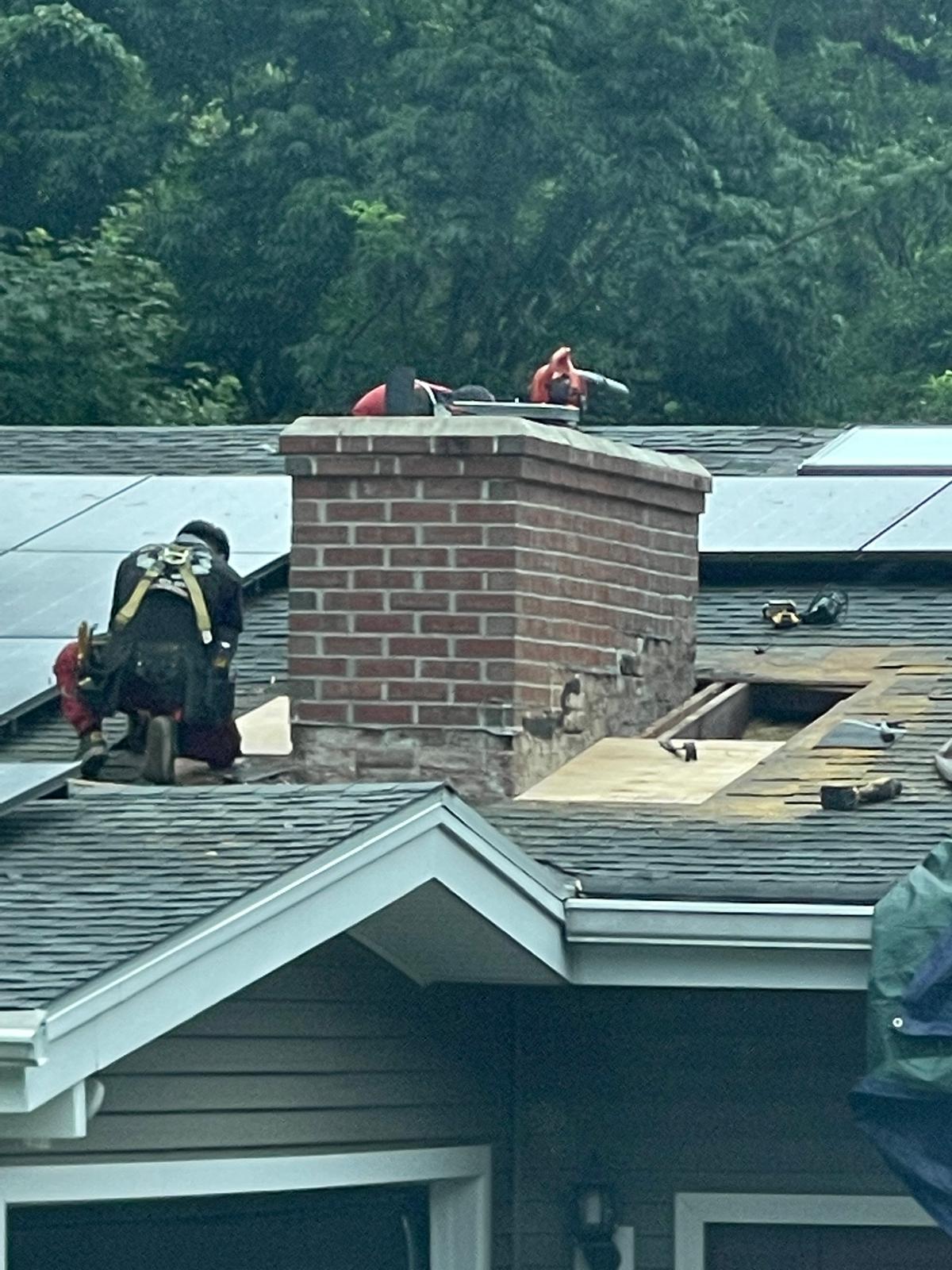
A strong, well-maintained roof is essential to protecting your home from water damage, mold growth, structural issues, and costly energy loss. But even the most durable roofs eventually show signs of wear. For homeowners in Westchester NYC, recognizing these early warning signs is crucial, especially with the region’s mix of heavy rainfall, winter snow, and seasonal storms. Knowing when your roof needs attention can save you thousands in long-term repairs. This guide explains the key symptoms of roof damage and provides insight into when it’s time to call professional roof repair services in Westchester NYC. Why Timely Roof Repair Matters Small roofing issues can quickly escalate into major problems if ignored. A minor leak today can become widespread water damage inside your walls, attic, and insulation. Timely repairs provide: Protection against structural deterioration Prevention of mold and mildew Better insulation and energy efficiency Longer roof lifespan Improved home value Identifying early warning signs is the first step to avoiding expensive replacements. 1. Visible Damage to Shingles Shingles are your roof’s first line of defense. Damage such as cracking, curling, or missing shingles is one of the clearest signs that your roof needs repair. Common Issues Include: Cracked shingles – caused by extreme temperatures Curling edges – often due to moisture or aging Loose or missing shingles – typically wind-related Granule loss – leaving bald spots on the roof surface If you notice any of these signs, it’s time to schedule a roof inspection before underlying layers begin to deteriorate. 2. Water Stains or Leaks Inside Your Home Water entering the home is the most urgent sign you need roof repair services in Westchester NYC. Even small stains can indicate serious problems. Look for: Yellow or brown stains on ceilings Peeling paint or bubbling drywall Wet spots in corners or near roof fixtures Dripping water during heavy rain Leaks can originate from damaged shingles, failing flashing, clogged gutters, or poor previous repairs. Immediate attention prevents mold growth and structural damage. 3. Damaged or Deteriorating Flashing Flashing is the metal installed around chimneys, skylights, vents, and valleys to keep water out. If flashing cracks, rusts, or separates, water can easily penetrate your roof. Typical flashing problems include: Loose pieces Rust and corrosion Cracked sealant Improper installation Since flashing protects some of the most vulnerable roof areas, repairing it as soon as possible is essential. 4. Sagging Roof Areas A sagging roof is a major red flag. It often indicates water damage, structural weakness, or rot in the decking. Signs to watch for: Visible dips in the roofline Sagging areas when viewed from the street Interior roof beams that appear bowed This issue requires immediate professional intervention to prevent collapse or widespread structural failure. 5. Mold, Moss, or Algae Growth While some growth is cosmetic, heavy patches of moss or algae can trap moisture and damage shingles. Moss thrives in damp, shaded areas and can lift shingles out of place as it spreads. Look for: Green or black streaks Thick moss around roof edges A musty smell in your attic Moisture buildup is often the root cause, and repairing the underlying issue helps prevent long-term deterioration. 6. Increased Energy Bills If your heating or cooling costs suddenly spike, your roof may be the reason. Damaged roofing can lead to: Poor ventilation Loss of insulation Air leaks Heat escaping through the attic A roof inspection can reveal whether repairs are needed to restore proper insulation and airflow. 7. Clogged or Overflowing Gutters Gutters play a key role in roof health. If you see roofing granules in your gutters, it means shingles are breaking down. Overflowing or sagging gutters can also cause water to back up under your shingles. Warning signs include: Shingle granules in downspouts Overflow during rainstorms Gutters pulling away from the house These issues can lead to fascia and soffit damage if not repaired promptly. 8. Light Coming Through the Attic If you can see sunlight through your attic ceiling, it’s a clear sign that your roofing structure has gaps or holes. Where light enters, water can too. Check your attic during the day for: Pinholes of light Gaps around vents or chimneys Damp insulation Addressing these openings early protects your home from future leaks. When to Call Roof Repair Services in Westchester NYC You should contact a professional roofing company if you notice: Persistent leaks or moisture Multiple damaged shingles Structural sagging Visible holes or daylight in the attic Storm-related damage Sudden increases in energy bills A professional roofer can perform a detailed inspection, identify hidden issues, and provide the repair solutions needed to protect your home. Your roof works hard to shield your home from Westchester NYC’s unpredictable weather. Recognizing the early signs of damage, and acting quickly, can prevent bigger problems down the line. Whether you’re dealing with leaks, damaged shingles, or aging materials, prompt and professional repairs are essential for long-term safety and peace of mind. If you suspect roofing issues, don’t wait. Reliable roof repair services in Westchester NYC can restore your roof’s strength, efficiency, and durability before problems escalate.

Find the best shingle roof installation services in Westchester. Learn how to compare contractors and choose quality, value, and long-lasting roofing results.

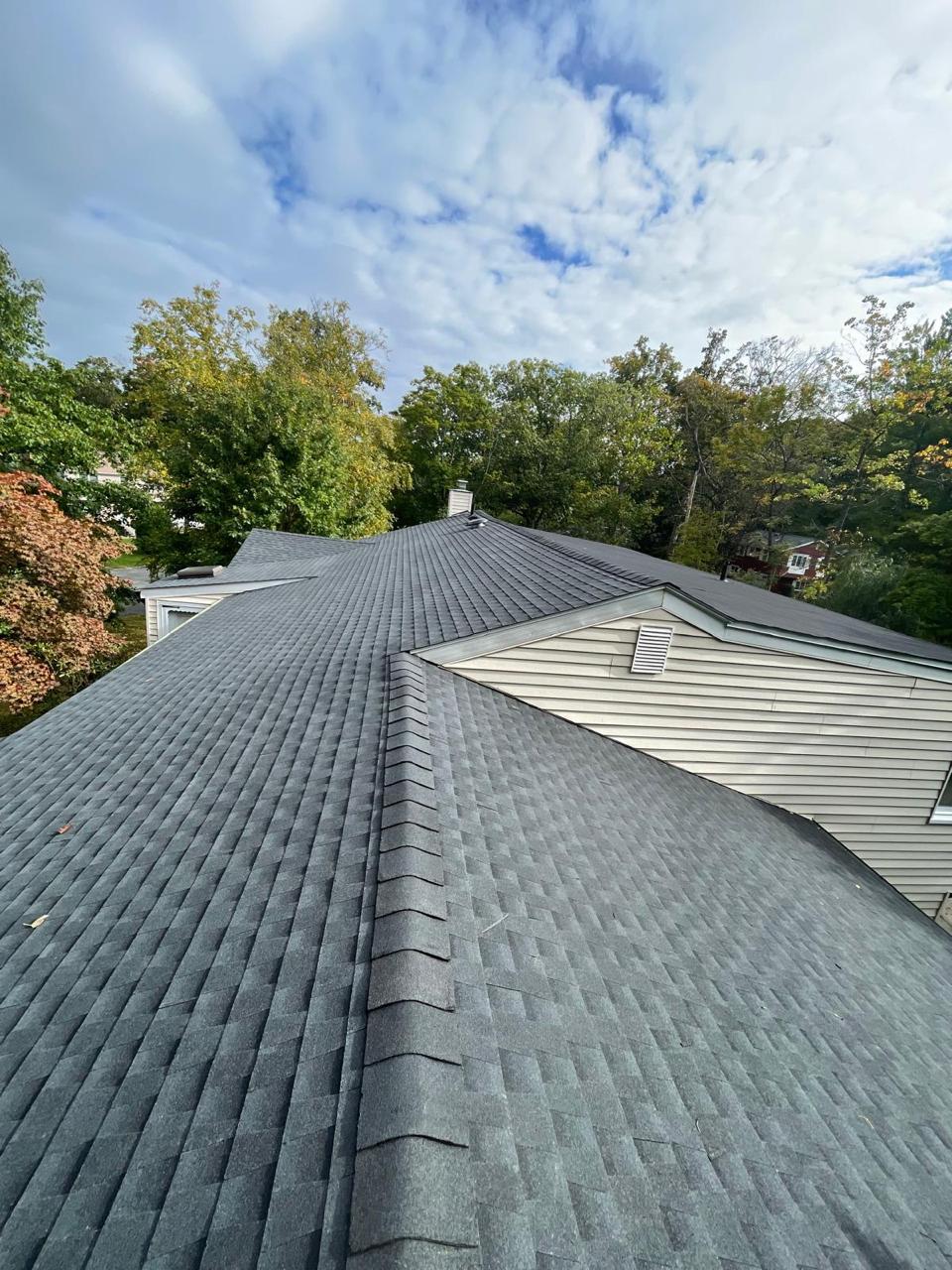
Your roof is one of the most important protective elements of your home. It shields your interior from rain, snow, wind, and extreme temperatures. But even the most durable shingle roofs have a limited lifespan. If you live in Westchester, where weather conditions can be unpredictable, knowing when to install a new shingle roof is essential for preventing leaks, structural damage, and expensive repairs. In this guide, we explain how to recognize when it’s time to replace your shingle roof, what signs to look for, and how professional shingle roof installation services in Westchester can help you protect your home. How Long Does a Shingle Roof Last? Shingle roofs typically last 20–30 years, depending on: Material quality Installation quality Weather exposure Maintenance frequency Westchester homes experience cold winters, humidity, and seasonal storms—all of which can shorten a roof’s lifespan. If your roof is approaching the 20-year mark, it’s wise to start assessing its condition regularly. Clear Warning Signs You Need a New Shingle Roof Installation Before water damage or leaks become severe, your roof will show visible and structural signs of wear. Here are the most common indicators that it’s time for a replacement. 1. Shingles Are Curling, Buckling, or Cracked Weather and aging cause shingles to warp over time. Curling or cracking shingles lose their ability to shed water, putting your home at risk for leaks. If large sections of your roof look distorted, replacement is likely necessary. 2. Frequent Leaks or Water Stains Inside the Home If you notice water stains on ceilings or walls, dark patches in the attic, or moisture around roof fixtures, your roof’s protective layers may be failing. Recurring leaks are often a sign that the roof can no longer be repaired effectively. 3. Missing or Loose Shingles Strong winds in Westchester can lift or tear shingles off. Missing shingles leave your roof deck exposed to rain and snow, accelerating deterioration. Large areas of missing shingles usually indicate a widespread problem. 4. Excessive Granule Loss Granules protect shingles from UV rays and weather damage. If you see granules collecting in gutters or around your property, your shingles may be nearing the end of their life. Smooth or bare patches on shingles are another warning sign. 5. Sagging Roof Deck A sagging roof is a serious structural issue caused by moisture damage or weakened rafters. This situation requires immediate professional attention and usually means a full roof replacement. 6. Moss, Mold, or Algae Growth Moisture retention can cause organic growth on shingles. While some moss is cosmetic, heavy growth may indicate deeper moisture issues that require a new roof. 7. Rising Energy Bills A failing roof may allow heat to escape or enter your home, forcing your HVAC system to work harder. Poor ventilation and insulation often accompany old shingle roofs. Why Timely Replacement Matters Delaying a needed roof replacement can lead to: Structural deterioration Mold and mildew spread Damage to insulation and drywall Costly emergency repairs Reduced home value Addressing the issue promptly ensures long-term protection and prevents secondary damage that can become significantly more expensive. What to Look For in Shingle Roof Installation Services in Westchester Once you’ve determined that your home needs a new shingle roof, choosing the right contractor is the next crucial step. Here’s what to prioritize when selecting a roofing company. 1. Local Expertise and Licensing Westchester has specific building codes and weather-related challenges. Choose a roofing contractor who is: Fully licensed and insured Familiar with local permitting requirements Experienced with Westchester climate conditions Local expertise ensures a more durable roofing system. 2. High-Quality Materials Not all shingles are made the same. A professional roofing service should offer: Architectural shingles Impact-resistant options High wind-rated products Asphalt shingles with algae and UV protection Quality materials lead to a longer-lasting roof. 3. A Detailed Inspection and Transparent Estimate A reliable contractor will conduct a full roof assessment before quoting a price. Your estimate should include: Material type and quantity Labor costs Decking repairs if needed Underlayment and flashing Cleanup and debris removal Warranty terms Avoid contractors who offer vague pricing or pressure you into quick decisions. 4. Strong Warranties A new shingle roof is an investment. Look for: Manufacturer warranties on materials Workmanship warranties covering installation Good warranties reflect confidence in both materials and craftsmanship. 5. Reputation and Reviews Before hiring, check: Google reviews Local references Before-after photos BBB ratings Reputable contractors will gladly provide examples of their work. How Professional Roof Installation Protects Your Home Certified shingle roof installation services in Westchester ensure: Proper removal of old roofing Correct underlayment and decking support Precision installation of new shingles Enhanced attic ventilation Storm-resistant sealing Professional installation prevents future issues and ensures your roof performs well for decades. If you’ve noticed signs of aging, damage, or poor performance in your current roofing system, it may be time for a new shingle roof installation. With the right contractor, you’ll enjoy improved safety, energy efficiency, and long-term value. By understanding what to look for and recognizing the early signs of roof failure, Westchester homeowners can make confident, informed decisions that protect their homes for years to come.

How to Choose the Best Shingle Roof Installation Services in Westchester

When it comes to protecting your home, few upgrades matter more than a durable and properly installed roofing system. For homeowners in Westchester, choosing the right contractor for shingle roof installation services is essential, not only for long-term performance, but also for safety, curb appeal, and property value. With so many companies offering roofing solutions, how can you identify the best one for your project? Below, we break down a clear, practical guide to help you evaluate roofing contractors in Westchester and select the right team for your shingle roof installation. Why Choosing the Right Shingle Roof Installer Matters A shingle roof is a major investment. High-quality shingles combined with expert craftsmanship can last 20–30 years or longer. Poor installation, on the other hand, can lead to early deterioration, leaks, mold growth, insulation issues, and high repair costs. Professional shingle roof installation services in Westchester should provide: Long-term durability Proper ventilation and insulation Manufacturer-backed warranties Superior weather resistance Increased home value That’s why taking the time to choose the right contractor is crucial. What to Look for in a Roofing Contractor in Westchester Selecting a roofing company is more than getting a quote. Below are the essential qualities you should look for when choosing a shingle roof installation professional. 1. Licensing, Insurance & Local Compliance Westchester has its own local codes and permit requirements. A reputable roofing contractor will be: Fully licensed to operate in Westchester County Insured with general liability and workers’ compensation Experienced with local building codes and safety standards Always ask to see proof of both licensing and insurance before any work begins. 2. Proven Experience With Shingle Roof Installations Shingle roofing is one of the most popular systems in the county, but not all contractors specialize in it. When vetting roofing companies, ask: How long they’ve been installing shingle roofs What brands of shingles they use Whether they hold manufacturer certifications (e.g., GAF, Owens Corning, CertainTeed) Manufacturer-certified roofers usually offer better materials, extended warranties, and more consistent installation quality. 3. Transparent Pricing & Detailed Estimates A trustworthy roofing contractor will provide a written estimate that includes: Material costs Labor costs Disposal of old roofing Additional services (ventilation, flashing, underlayment) Expected project timeline Avoid companies that provide vague pricing or refuse to break down the estimate. 4. Strong Reputation & Local References Reputation is one of the best benchmarks when comparing shingle roof installation services in Westchester. Check for: Google reviews Better Business Bureau ratings Before-and-after photos Local completed projects Testimonials from Westchester homeowners A contractor confident in their work will gladly offer references. 5. Warranty Protection There are two types of warranties to look for: Manufacturer’s warranty (covers shingle defects) Workmanship warranty (covers installation quality) The best contractors offer strong warranties for both, giving homeowners long-term peace of mind. How to Benchmark Roofing Contractors in Westchester Once you’ve created a shortlist of companies, it’s time to compare them carefully. Here are the key factors that help you benchmark roofing contractors effectively: 1. Compare Material Quality Some companies use premium shingles, and others choose budget options. Pay attention to: Impact resistance rating Wind rating Algae and mold protection Expected lifespan Quality materials ensure better performance and reduce long-term costs. 2. Review Their Installation Process Ask each contractor about their roof installation process, including: Removal of old shingles Deck inspection Underlayment installation Flashing replacement Ventilation improvements Cleanup and disposal A detailed, step-by-step process demonstrates professionalism and expertise. 3. Evaluate Communication & Professionalism Throughout the quote process, note how responsive and organized each contractor is. Clear communication usually translates to smoother project execution. 4. Assess Value, Not Just Price The cheapest proposal often means lower-quality materials or rushed labor. Instead of choosing the lowest bid, focus on who offers the best overall value-quality, warranty, professionalism, and long-term results. How to Find the Best Shingle Roof Installation Services in Westchester To locate the top roofing companies in the area, follow these steps: 1. Start With Local Searches Begin with Google searches like: “Shingle roof installation Westchester NY” “Westchester roofing contractors” “Roof replacement Westchester County” Local companies typically respond faster, understand the climate, and know county regulations. 2. Ask for Recommendations Talk to neighbors, friends, or local community groups. Word-of-mouth referrals are often the most trustworthy. 3. Request Multiple Quotes Obtain at least three detailed estimates from reputable contractors. Comparing quotes side-by-side helps you understand pricing differences and service quality. 4. Visit Ongoing or Past Job Sites Seeing a contractor’s work in person provides more insight than online reviews. Observe: Job site safety Work organization Craftsmanship quality 5. Choose a Contractor With Long-Term Support The best roofing companies don’t just install a roof, they support you afterward with inspections, maintenance, and warranty service. Conclusion Finding the right shingle roof installation services in Westchester requires careful research, comparison, and evaluation. By focusing on licensing, experience, quality materials, strong warranties, and transparent communication, homeowners can confidently choose a contractor who will deliver durable, long-lasting results. If you’re ready to upgrade your home with a new shingle roof, selecting a trusted, reputable roofing company is the first step to ensuring your investment lasts for decades.

Emergency Roof Repair in Westchester — What You Need to Know

A sudden, fierce storm hits Westchester County, and then you see it: a growing, dark spot on your ceiling, quickly turning into a steady drip. What now? When a roofing emergency strikes, time is your most valuable asset. The minutes between noticing a leak and calling for help can be the difference between a minor repair and thousands of dollars in ruined drywall, soaked insulation, and structural decay. This guide is designed for Westchester homeowners and property managers. It provides the essential steps to take during a crisis, common causes of roof failure in our local climate, realistic repair cost insights, and crucial tips for finding a reliable emergency roofing contractor in Westchester County—fast. What Qualifies as a Roofing Emergency? Not every drip warrants a 24-hour callout, but certain situations demand immediate attention to protect your home’s integrity and value: Active Roof Leaks During Heavy Rain: If water is actively pouring into your living space, that is a true emergency that requires an immediate stopgap repair. Severe Storm Damage: Wind-driven rain, large sections of missing shingles, or exposed underlayment following a severe storm (a common event in Westchester). Structural Sagging or Collapse: Any visible dip or sagging in the roof deck or ceiling is a critical structural failure. Ensure Safety first and evacuate the area immediately. Major Flashing or Chimney Leaks: These areas are prone to failure and can quickly channel massive amounts of water into the home. Fire, Vandalism, or Pest Damage: Situations that leave a large, unprotected opening in the roof structure, compromising its integrity. Remember: A rapid response from a 24-hour roofing service in Westchester minimizes water damage, mould growth, and subsequent insurance claim complications. Immediate Steps to Take When You Have a Roof Emergency When panic sets in, follow this clear, step-by-step guide: Ensure Safety First: Avoid areas where the ceiling is actively bulging or sagging. Turn off the power to the affected area if water is near electrical fixtures. Minimise Interior Damage: Place buckets or large containers under the active leak. Use plastic sheeting or tarps to protect valuable furniture, flooring, and electronics. Document the Damage: Before any repairs begin, take numerous clear photos and videos of the damage both inside and outside the home. This documentation is vital to your insurance claim process (for Westchester storm-damage roof-repair claims). Call an Emergency Roofing Contractor: Search specifically for a 24-hour roofing service in Westchester or an emergency roofing contractor in Westchester County that can mobilize quickly for a temporary repair (tarping). Avoid DIY Repairs During Storms: Do not attempt to climb onto a wet, windy, or icy roof. It is perilous and could lead to personal injury or further roof damage. Common Causes of Emergency Roof Repairs in Westchester Our local climate and environment contribute to specific types of roof emergencies: Heavy Rain and Windstorms: Westchester County frequently experiences strong winds that lift and tear off asphalt shingles, especially along eaves and ridgelines. Ice Dams and Snow Buildup: The extreme cold of New York winters can create destructive ice dams. Water pooling behind the ice can back up under the shingles, leading to severe internal roof leaks in Westchester, NY. Falling Branches: The tall, mature trees common in suburban towns like Scarsdale, White Plains, and New Rochelle pose a constant threat, causing punctures or structural impact damage during storms. Ageing Systems: Older roofs (15+ years) are more susceptible to failing under stress. Brittle shingles, worn-out flashing, and decayed sealant cannot withstand harsh New York weather. Clogged Gutters: Blocked drainage causes water to pool at the roof’s edge, accelerating membrane and fascia damage. Temporary vs. Permanent Roof Repairs When an emergency roofing contractor in Westchester County arrives, their priority is usually a temporary fix to stop the active water intrusion. Temporary Repairs: This usually involves strategically placing heavy-duty plastic sheeting or tarping the damaged section. This seals the leak immediately, protecting the home’s interior and contents until weather permits a complete, permanent repair. Permanent Repairs: Once the weather clears and the damage is fully assessed, the roofer will perform the permanent fix. This might involve replacing the structural decking, laying new underlayment, and installing new shingles, flashing, or membrane sections. A trusted contractor will never treat a temporary patch as a permanent solution. They will schedule a follow-up assessment for a lasting fix. Emergency Roof Repair Costs in Westchester The cost of emergency roof repair in Westchester varies widely depending on the extent and complexity of the damage. Here are some general benchmarks: Minor Emergency Patches (Tarping & Small Seal): Expect to pay between $300 and $800 to stabilize the immediate crisis. Moderate Leak Repair (Replacing Flashing/Localised Shingles): Costs typically range from $800 to $2,000. Significant Structural or Storm Damage: Repairs involving decking replacement, insulation changes, or large sections of membrane replacement often start at $2,000 and can quickly climb based on the area size and complexity. Tip: Emergency services often involve a higher after-hours labour fee. If your damage is storm-related, ensure you discuss potential insurance coverage with your contractor and adjuster. Request a detailed, written quote before authorizing permanent repairs. Choosing the Right Emergency Roofing Contractor in Westchester In a crisis, don’t just call the first name you see. A reliable contractor provides peace of mind: Verify Licensing and Insurance: Ensure the company is fully licensed in New York State and carries comprehensive liability and workers’ compensation insurance. Confirm 24/7 Availability: A proper emergency roof repair service in Westchester will answer the phone at any hour. Check Local Reviews: Read recent Google Reviews or BBB ratings specifically from Westchester homeowners to confirm their reputation for speed and quality. Inquire About Tarping Services: A good emergency roofer will offer immediate, protective tarping to secure your property overnight. preventative_maintenance Preventing Future Roofing Emergencies The best defence against a crisis is a proactive offence: Schedule Annual Inspections: Have a licensed roofer check your system every spring or fall. They can spot minor issues, such as loose flashing or missing sealant, before they become major leaks. Clear Gutters

Best Time to Schedule Your Westchester Chimney Cleaning

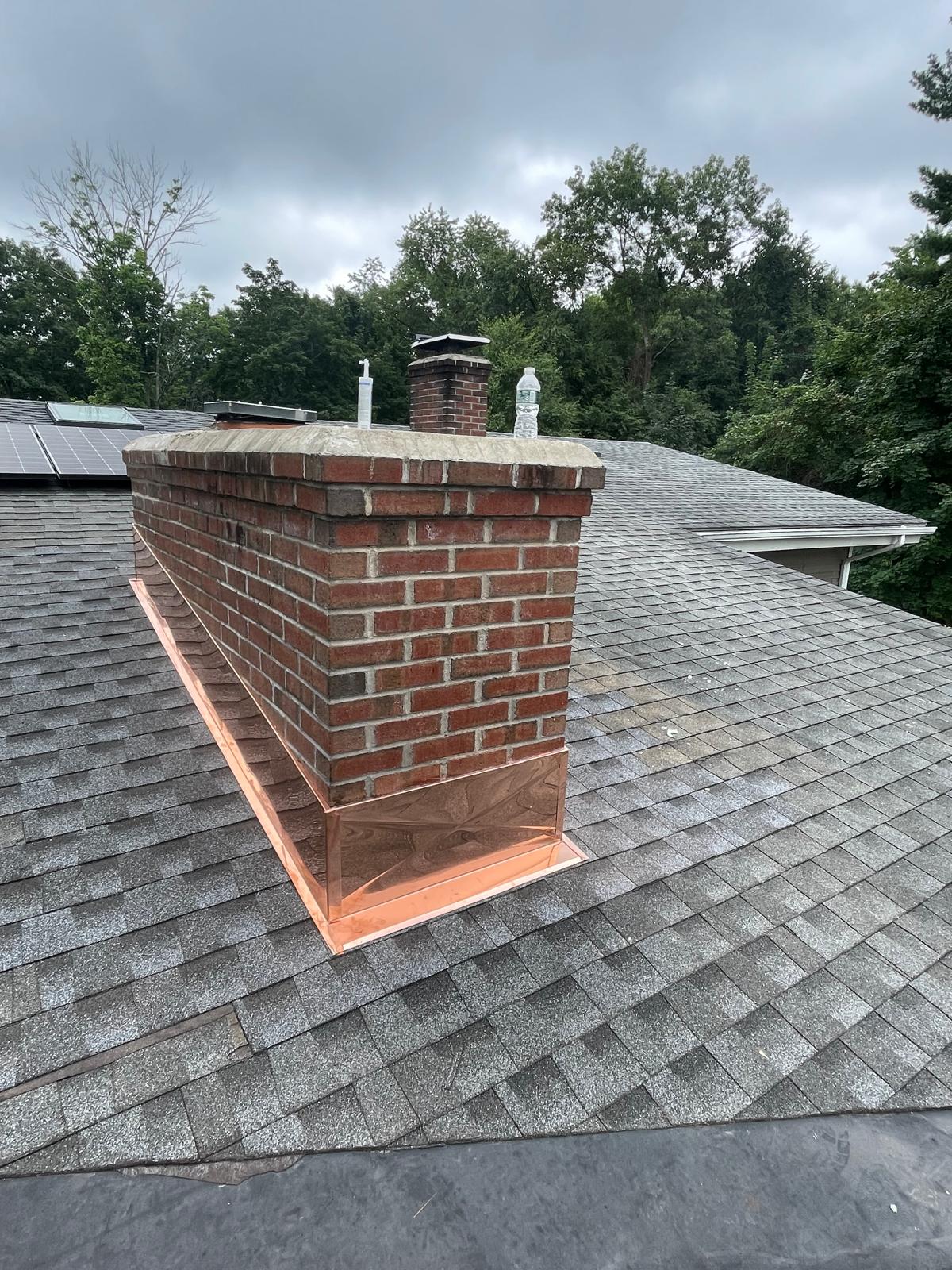
When Was the Last Time You Had Your Chimney Cleaned? It’s a question every responsible Westchester homeowner should ask annually. As the heart of your home’s heating and comfort system, a clean chimney is essential for three things: fire safety, system efficiency, and home comfort. Neglecting this maintenance can turn a cosy winter evening into a hazardous situation. While most people only think about their fireplace when the first cold snap hits, savvy homeowners know that timing is everything. So, what is the single best time for chimney cleaning in Westchester, NY? The answer is simple: before you need it! Why Regular Chimney Cleaning is Non-Negotiable The primary reason for regular cleaning is to remove creosote—a highly flammable byproduct of burning wood that builds up in your flue. Just 1/8 inch of creosote is enough to fuel a dangerous chimney fire. Beyond preventing catastrophe, a clean chimney offers several benefits: Improved Air Quality: Proper ventilation prevents smoke and harmful gases (like carbon monoxide) from backing up into your home. Better Heating Efficiency: A clear chimney draft means your fire burns hotter and cleaner, using less fuel and saving you money on chilly Westchester County nights. Compliance & Safety: The National Fire Protection Association (NFPA) recommends an annual chimney inspection (Level 1), with cleaning done as needed. The Ideal Time: Late Spring to Early Fall in Westchester The window from April through September is the gold standard for scheduling your professional chimney service. This “off-season” timing ensures your chimney is fully prepared and safe well before the cold weather arrives in White Plains, Yonkers, Scarsdale, and beyond. Avoid the Winter Rush and Scheduling Delays The vast majority of homeowners wait until October or November to book their appointment. This rush can lead to long waiting times, making it nearly impossible to get service before Thanksgiving or the holidays. Scheduling your chimney sweep in Westchester during the warmer months guarantees prompt service. Prepare Before Cold Weather Hits A summer cleaning and chimney inspection in Westchester County ensures that your system is 100% safe and ready for the first fire of the season. You’ll have peace of mind knowing you can light up your fireplace without worry. Prevent Summer Odours (The “Creosote Smell”) Humidity and moisture in the summer air can mix with creosote deposits, causing a strong, unpleasant, musty, or smoky odour to permeate your home. Cleaning the chimney in the spring removes the source of this smell, keeping your home fresh all year. Spot and Fix Damage Early Winter can be brutal on masonry. Scheduling your service in the spring allows your technician to spot damage—such as cracks, leaks, or rusted caps—caused by the freezing and thawing cycle. Repairing issues early is always less costly than waiting until they cause a structural problem. Signs Your Chimney Needs Cleaning Sooner Than Later   If you notice any of these red flags, do not wait for the ideal time—call for a professional fireplace cleaning in Westchester immediately: Smoke Backing Up: Smoke is filling your living room instead of rising through the flue. Musty or Burnt Odours: You smell a strong, smoky odour even when the fireplace is not in use. Visible Soot/Creosote: You can see a buildup of black, flaky residue when looking up the flue or near the damper. Poor Fire Performance: Fires are difficult to start or sustain, indicating a poor draft. You can’t remember: It has been more than 12 months since your last professional cleaning. How Westchester’s Weather Affects Chimneys The Northeast climate, especially in areas like New Rochelle, puts particular stress on your chimney. Our freezing winters and humid summers cause: Masonry Cracks: The constant freeze-thaw cycles deteriorate mortar joints and brick surfaces, allowing water intrusion. Leaky Flashing: Heavy rain and ice can compromise the flashing (the seal where the chimney meets the roof), leading to interior water damage. Rusted Metal Components: Caps and dampers can rust from repeated exposure to moisture, leading to blockages or system failure. A yearly inspection and chimney cleaning in Westchester, NY, not only removes creosote but also ensures your entire system is structurally sound and waterproof against the elements. Professional Expertise is Key: Choose a Certified Technician While the temptation for a DIY approach exists, chimney work is a job for certified experts. Professional chimney sweep technicians in Westchester have the specialised equipment to safely remove creosote without spreading soot throughout your home. When choosing a service, look for local professionals who are CSIA-certified and have proven experience with the unique structures of Westchester County homes. Conclusion The best time to book your service is not in the middle of winter—it’s now, while the sun is shining and our schedule is flexible. Don’t let a year of creosote buildup or winter weather damage compromise your home’s safety. Schedule your Westchester chimney cleaning and inspection today and keep your home safe, warm, and ready for winter!

Free Consultation

Free Consultation
(800) 663-6036 WHATSAPP